Football Player Vintage
A Designer’s First Glance: Nostalgia with Sturdy Bones
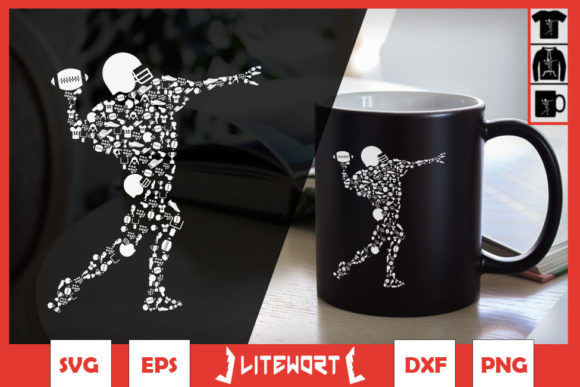
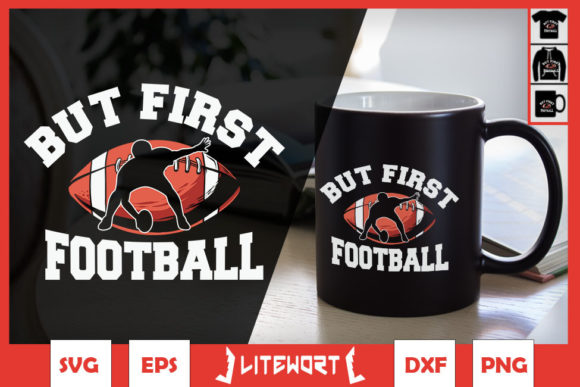
Opening the Football Player Vintage download, I didn’t just see a silhouette—I felt the weight of a well-worn team photo from the ’50s: clean lines, confident posture, and that unmistakable mid-century charm. It’s not overly detailed, but it’s not minimal either. The player stands upright, arms relaxed, helmet tucked under one arm—no action pose, no exaggerated musculature. That restraint is its strength. As an embroidery designer who’s stitched hundreds of sports-themed pieces for Etsy shops and boutique apparel lines, I immediately pictured this on a heavyweight cotton tote bag for a local high school alumni pop-up. Not flashy—but instantly recognizable, quietly proud.
Where It Shines: Real Projects, Real Customers
Football Player Vintage works best when authenticity matters more than intensity. Think sweatshirt embroidery for a small-town youth league fundraiser—not a glossy NFL merch drop. Its balanced proportions hold up beautifully at 3.5"–4.5" wide, making it ideal for left-chest placements on crewnecks, front panels of canvas aprons, or centered on linen pillow covers for a nursery with vintage sports decor. I recently tested it as an embroidered patch on twill fabric for a craft fair vendor—stitched cleanly with medium-weight cutaway stabilizer, it held crisp edges even after gentle machine washing. Customers responded to its warmth: “My dad played in the ’60s—this feels like his yearbook photo,” one told me. That emotional resonance? That’s where handmade product value lives.
It also translates well into holiday embroidery and personalized gifts. Stitched in navy thread on cream tea towels, it reads as timeless—not trendy. On baby onesies (using soft, low-density fill stitch and tear-away stabilizer), the clean outline avoids bulk while still reading clearly. And for Etsy sellers listing digital embroidery files, Football Player Vintage pairs naturally with retro typography bundles or monogram add-ons—its Graphics roots show in its scalability and vector clarity across SVG, EPS, and DXF formats.
Where to Pause—and Why
This isn’t a design for every surface. On stretchy fabric like jersey knits, the straight vertical lines can distort without careful hooping and light stabilizing—so test first on scrap before committing to custom apparel. Curved surfaces like cap fronts require slight digitizing tweaks (or a trusted digitizer) since the original file isn’t pre-optimized for 3D curvature. Tiny details—like the subtle curve of the helmet strap—are visible in the PNG and SVG previews, but in dense fill stitch at under 3", they risk blending together. If you’re planning baby embroidery or delicate kitchen towel work, consider simplifying those areas manually or using running stitch outlines instead of heavy satin stitch.
Dark fabric demands attention too. The design’s moderate contrast means white or light thread will read cleanly—but avoid pale pastels on black fleece unless you’ve confirmed stitch density won’t cause shadowing. And while it’s versatile across Crafts applications, don’t assume it’s license-free for commercial embroidery without verifying terms. As a small shop owner, I always check whether Football Player Vintage permits finished product resale—especially if you’re bundling it into subscription boxes or boutique branding kits.
Design Judgment You Can Trust—Not Just Hope
I don’t treat any embroidery file as “ready-to-stitch.” With Football Player Vintage, I ran three quick checks before cutting fabric: First, I opened the SVG in my vector editor and zoomed to 400%—confirmed no stray anchor points or overlapping paths that could confuse my embroidery software. Second, I built a printable mockup on both light and dark fabric swatches to assess visual balance and thread color impact. Navy on oatmeal? Strong. Light gray on charcoal? Faded. Third, I stitched a 4" version on quilting cotton with standard polyester thread and medium cutaway stabilizer—then inspected the back for puckering and thread tension consistency. It passed.
That kind of review isn’t overkill—it’s how you protect your reputation as a craft business owner. A blurry or misaligned Football Player Vintage on a $75 personalized sweatshirt erodes customer trust faster than a missed deadline. But done right? It elevates your entire offering. Buyers notice when stitching feels intentional—not automated. When the vintage mood lands, it says you understand context, care about cohesion, and treat each embroidered patch or tote bag design as part of a larger story.
Final Thoughts for Makers Who Ship Real Work
Football Player Vintage won’t dominate a tradeshow booth—but it will earn repeat orders from customers who value subtlety, craftsmanship, and quiet confidence. It fits seamlessly into small shop product lines that prioritize longevity over virality: think holiday embroidery collections anchored in tradition, nursery decor with layered meaning, or custom apparel for community-driven causes. For Etsy sellers, it’s a reliable anchor design—low-risk to digitize, easy to photograph, and highly adaptable across printable mockups and digital product previews.
Before you use it in your next embroidery project, do this: stitch a test on your most common fabric + stabilizer combo; compare how it reads in black-and-white versus full color mockups; confirm hoop size compatibility with your machine’s largest standard hoop; and—crucially—review licensing terms for commercial embroidery or resale of finished products. Football Player Vintage gives you strong foundations. Your judgment, testing, and attention to detail? That’s what turns a solid embroidery file into a standout handmade product.