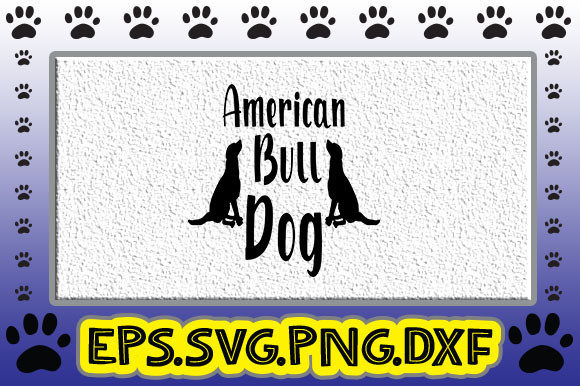
American Bull Dog
First Impressions: Bold, Clean, and Instantly Recognizable
When I opened the American Bull Dog embroidery file, what struck me first wasn’t technical precision—it was personality. This is a dog typography design that leans into strength and charm without tipping into cartoonishness or sterility. The letterforms are sturdy, slightly condensed, with subtle weight shifts that suggest movement and muscle—fitting for the breed, yes, but also smart for embroidery. There’s no excessive ornamentation, no fragile serifs or hairline strokes. That’s a win. As a designer who’s stitched hundreds of text-based logos and pet-themed pieces for Etsy sellers and boutique clients, I know how often “cute” becomes illegible after 30 minutes in the hoop.
Real-World Use: From Tote Bag to Nursery Decor
Last week, I prepped a small-batch run of linen tote bags for a local dog rescue’s holiday fundraiser. I tested American Bull Dog on one sample—centered just below the handle seam, sized at 4.25" wide on medium-weight canvas. It stitched cleanly in two colors: charcoal gray fill stitch for the letters, and a warm tan satin stitch outline. No puckering. No thread breaks. The contrast held up beautifully against the natural fabric, and customers immediately recognized both the breed and the confident tone of the piece. That same file later became a baby onesie embroidery for a custom order—scaled down to 2.75", paired with soft pastel threads and light tear-away stabilizer. It read clearly even at that size, which tells me the letter spacing and stroke width were thoughtfully balanced—not just drawn, but *designed for stitch*.
Where It Shines (and Where It Needs Care)
American Bull Dog works exceptionally well for:
- Custom apparel: Sweatshirts, crewnecks, and structured caps—especially when placed on chest or back panels where the clean lines command attention without overwhelming.
- Embroidered patches: Its self-contained shape and moderate detail level make it ideal for sew-on or iron-on applications on denim jackets, backpacks, or aprons.
- Baby embroidery: On burp cloths, pillow covers, or nursery wall hangings—its boldness reads well from across the room, and the lack of fine interior details means fewer skipped stitches on delicate cotton interlock.
- Holiday and gift embroidery: Think kitchen towels, tea towels, or personalized blankets—where legibility, warmth, and brand-aligned tone matter more than ornate flourishes.
But—and this is critical—American Bull Dog isn’t a “set-and-forget” file. It demands thoughtful execution in these situations:
- Stretchy fabrics (like jersey or ribbed knits): Use cutaway stabilizer underneath and a light topping to prevent letter distortion during stitching.
- Dark or textured fabrics: Test thread color contrast early. A white fill may vanish on charcoal fleece; consider off-white or cream instead. Also, dense weave textures can mute satin stitch definition—run a quick mockup before committing.
- Curved surfaces (caps, curved pockets): Resize conservatively. At under 3", some inner corners begin to compress. I’d avoid going smaller than 2.5" unless you’re using a high-density machine with precise tension control.
- Frequent-wash items (baby clothes, kitchen linens): Confirm your fill stitch density isn’t too sparse—gaps between rows can snag over time. A tighter fill (within reason) adds durability without sacrificing softness.
Design Assets That Build Trust—Not Just Looks
As a craft business owner and embroidery product reviewer, I pay close attention to how a design affects perceived value—not just in appearance, but in confidence. When a customer sees American Bull Dog on a handmade apron or embroidered sweatshirt, they don’t just see a dog name. They see intention: strong typography, restrained detail, and a sense of craftsmanship behind the choice. That translates directly to higher perceived value, better Etsy conversion rates, and repeat orders. For small shop owners building a cohesive brand—say, a line of pet-themed kitchen goods or rustic nursery decor—American Bull Dog fits naturally alongside other clean, typographic graphics. It doesn’t scream “clip art.” It whispers “designed.”
Practical Designer Notes Before You Stitch
Before loading American Bull Dog into your machine or listing it in your digital shop, do these six things:
- Test on scrap fabric—not just once, but with your actual stabilizer, thread, and hoop setup. Fabric texture changes everything.
- Check thread color contrast on both light and dark backgrounds. Try black/white mockups first—you’ll spot clarity issues faster.
- Review stitch density. If your machine struggles with tight fills, adjust density slightly rather than risking thread breaks or fabric damage.
- Confirm hoop size compatibility. While the design scales well, its widest point determines minimum hoop clearance—measure before hooping.
- Inspect small details manually: Are inner corners sharp? Do any letters have unusually narrow joins? These are the spots most likely to ghost or skip.
- Verify licensing. Since this is a digital embroidery file sold as part of a Crafts/Graphics collection, confirm whether commercial use (e.g., selling finished embroidered products or reselling the design itself) is permitted under the terms provided.
Final Thought: A Workhorse Typography Design, Not a Gimmick
American Bull Dog won’t wow you with glitter effects or layered appliqué—but it doesn’t need to. It’s the kind of embroidery file that earns quiet respect: reliable on deadline, versatile across projects, and consistently professional in finish. Whether you're an Etsy seller batching personalized gifts, a small shop owner curating boutique merchandise, or a hobbyist stitching for joy, this design earns its place in your library not because it’s flashy, but because it *works*. And in embroidery—where time, thread, and customer expectations all count—that’s the highest compliment of all.